

The backpack hits the floor, the shoes land nowhere near the basket, and then you say the sentence that ruins the whole room: "Go read for 20 minutes." Suddenly your child needs water, can't find a book, remembers a math worksheet, and may actually be developing a rare allergy to paper. Reluctant readers are not all the same, and the fix usually is not more nagging.
First, figure out which kind of reluctant
Before you try a dozen tricks, do a little teacher-style detective work. "I hate reading" can mean several different things.
Your child might be avoiding reading because the words are too hard. They might read the first page slowly, guess at words, skip lines, or get tired fast. They might like stories but hate the actual work of decoding. That is a very different problem from "I would rather build a pillow fort and bother the dog."
A few common flavors:
- Too hard: the book looks right for their grade, but it is a slog.
- Too boring: they can read it, they just do not care.
- Too tired: school used up all their reading energy.
- Too embarrassed: reading out loud feels risky, especially with siblings nearby.
Try lowering the pressure before raising the expectations. Offer a book that looks "too easy." Let them read one page and quit. If you notice lots of guessing, headaches, big meltdowns, or reading that seems far behind the usual reading timeline, it is worth mentioning to the teacher or pediatrician. Not in panic. Just as information.
A kid who feels successful will usually give you more effort than a kid who feels trapped.
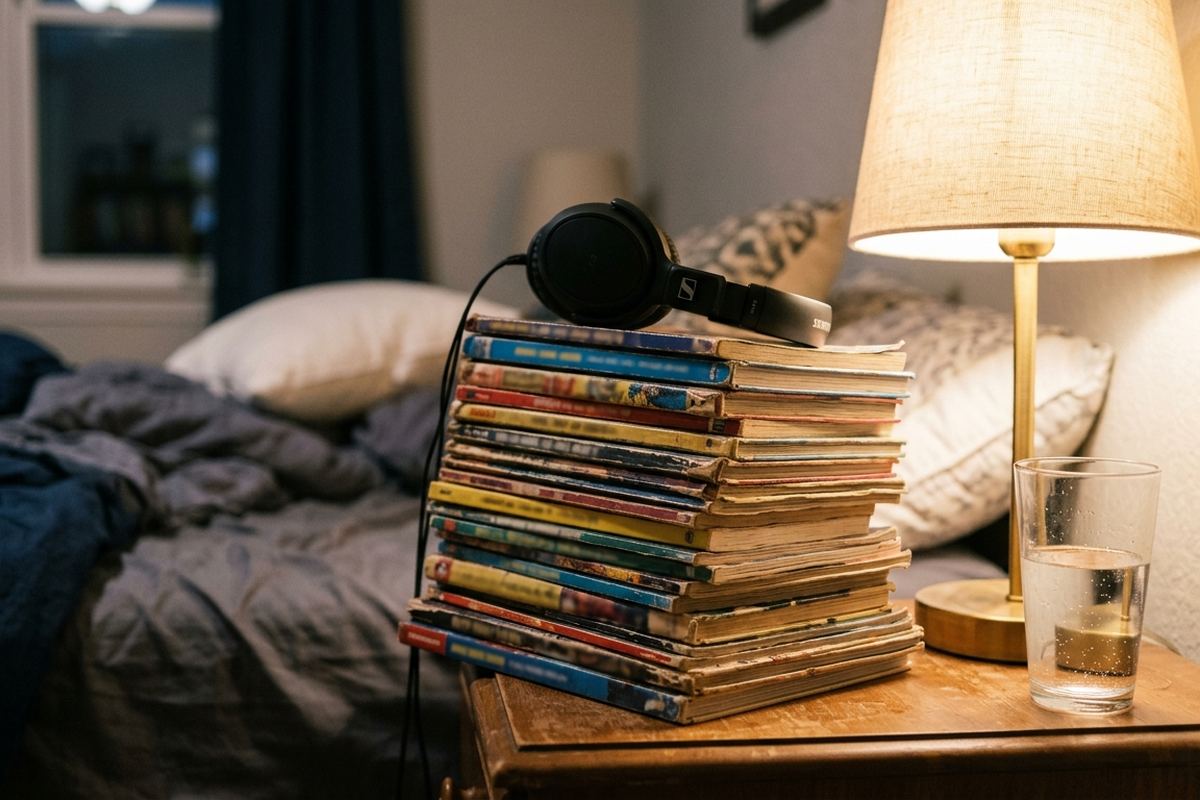
Let them read "junk" (comics, joke books, game guides)
Many adults have a secret list of books they think "count" and books they think do not. Kids can smell that list from across the room.
Comics count. Joke books count. Guinness-style fact books, game guides, sports cards, menus, cereal boxes, and the back of the shampoo bottle all count. They may not be the same as curling up with Charlotte's Web, but they still ask a child to look at print, make meaning, and keep going.
For a reluctant reader, "junk" reading is often the front door. A comic gives picture support. A joke book rewards short bursts of effort. A game guide gives a real reason to read: "How do I beat this level?" That reason matters. Adults read recipes, texts, road signs, and tiny forms from the dentist. We are not always reading novels in a rocking chair either.
Try putting a stack of silly reading in the car or kitchen. Do not announce it like a literacy campaign. Just leave it there. Ask your child to read you one joke while you stir pasta. If they laugh, resist the urge to turn it into a lesson.
Read the first chapter out loud, then stop
This is one of my favorite classroom tricks, and it works almost unfairly well at home.
You read the first chapter. Use voices if you want. Or do not. A dramatic squirrel voice is not required by law. The goal is to get your child past the hardest part: meeting the characters, figuring out the setting, and deciding whether the book is worth caring about.
Then stop at a good part.
Not forever. Just long enough for the book to start tugging at them. "I'll read one chapter tonight. If you want to know what happens next, you can read a little more in bed." Some kids will roll their eyes and still pick it up after lights-out. Some will not. That is fine. You are planting hooks.
You can also trade pages. You read one page, your child reads one paragraph. You read the hard names. They read the dialogue. If they stumble, give the word and keep the story moving. Nothing kills a good book faster than turning every page into a spelling test.
A small warning from the teacher table: do not quiz after every chapter. A gentle "What part was weird?" or "Would you trust that character?" is plenty. Conversation keeps the story alive. Interrogation sends it to the principal's office.
Series are a cheat code
Standalone books ask a child to start over every time: new characters, new rules, new setting. A series gives them a running start.
Once your child knows the world of a series, the next book is easier to enter. They already know the main character is nervous, the little brother is trouble, the dragon is probably misunderstood, or the cafeteria is definitely haunted. That background knowledge frees up brain space for the actual reading.
This is why kids may read eight books about the same kid, dog, wizard, detective, or underpants-related superhero. Adults do it too. We call it "following an author" and act fancy about it.
If your child likes a show, sport, animal, or weird fact topic, ask the librarian for a series near that interest. You can say, "They like funny books and will abandon anything with tiny print," and a good librarian will not blink.
Rereading counts here too. If your child rereads the same graphic novel six times, they are building fluency, noticing jokes they missed, and feeling like the kind of person who can finish a book. That feeling is not small.
Screens can help: subtitles, audiobooks and word games
Screens are not automatically the enemy of reading. Used on purpose, they can sneak print into places where your child is already paying attention.
Turn on subtitles for family TV. Some kids begin matching spoken words to printed words without feeling like they are "doing reading." Captions move quickly, so this is not a full reading lesson, but it adds a steady stream of print. Bonus: everyone finds out the mumbling cartoon character had an actual name.
Audiobooks help too. Listening builds vocabulary, story sense, and background knowledge. A child who struggles to decode can still enjoy a big, rich story. If you have the physical book, let them follow along for a few pages at a time. Ten minutes of tracking words while listening is still real practice.
Word games can lower the stakes as well. A kid who groans at a workbook may happily guess letters or race a timer because it feels like play. Word games like hangman and Boggle give kids quick contact with spelling and vocabulary without the "sit down and perform" feeling.
One line I use with kids: listening counts, and looking at words counts too. Strong readers use both.
Keep books where boredom happens
A lot of reading happens because there is nothing better to do for six minutes.
Put books where waiting lives: the back seat, the bathroom basket, beside the couch, in the backpack pocket that does not currently contain a smashed granola bar. Do not make a shrine. Make a mess of possibilities.
The trick is to keep the choices small and visible. A giant bookshelf can feel like homework. Three books in a basket feels like, "Fine, I'll look." Rotate them every week or so. Old favorites can come back. Joke books can live there permanently, like tiny weird relatives.
Also think beyond books. A child who will not "read a book" may read directions to make slime, labels for a treasure map, or clues in a word search. Word searches and crosswords work well for this because they feel more like something to do than something to prove.
Leave a sticky note on the cereal box: "Find the word with two O's." Ask them to read the pizza toppings while you order. Hand them the shopping list and say, "You are in charge of apples and waffles." Small reading is still reading, especially for the kid who needs the doorway to be very, very low.


