

The backpack lands by the door, somebody asks for a snack, and the homework folder sits there like a tiny paper thundercloud. By the time you say “please get started,” your child is under the table, sharpening the same pencil for the fourth time, or announcing they don’t get it before reading the directions. Homework can turn a normal school night into a negotiation seminar with math facts.
Why the fight starts before the folder opens
A lot of homework battles are not really about the worksheet.
By late afternoon, many elementary kids are running on fumes. They followed directions all day. They waited their turn, managed lunchroom noise, and held it together when someone breathed too close to their crayons. Then they come home to the safest person they know and fall apart over six subtraction problems. Lucky you. It is the same after-school tiredness that turns “how was school?” into “fine”.
Some kids also feel embarrassed when homework looks hard. “I don’t want to” often means “I’m afraid I’ll mess this up.” Others are hungry, overstimulated, or desperate for control, and homework becomes the one place they can finally say no.
This is why starting with a lecture rarely works. “You just need to focus” is true the way “the car just needs gas” is true when you are already stranded. Name the situation instead: “Your brain worked hard today. Snack first, ten minutes of nothing, then homework at the table.” Calm beats convincing.
Pick a time and stop renegotiating it
The biggest gift you can give homework is predictability. Not perfection. Predictability.
Pick a time that fits your real house, not the imaginary one where dinner simmers at 4:30 and everyone’s socks match. For some families that is right after snack. For kids who need to move after school, it works better after half an hour outside.
What usually does not work is asking every day, “When do you want to do homework?” That sounds kind, but it opens the debate floor. Now they are weighing snack, TV, the dog, and their deep personal belief that homework should happen never.
Once you choose a routine, hold it steady for two weeks. If it truly fails, adjust. But don’t move it nightly because your child gives a passionate speech about how Tuesday is different.
A visual schedule helps younger kids. Nothing fancy: a sticky note on the fridge that says “snack, homework, play” does more than a five-minute parent monologue. If screens are part of the afternoon, put them after homework, so a short round of a favorite game stays a reward instead of a bargaining chip.
The homework spot: boring beats cozy
A cozy homework spot sounds lovely. A soft blanket, a little lamp, a stuffed animal cheering from the sidelines. For many kids, cozy becomes horizontal, and horizontal becomes sleepy or mysteriously unable to hold a pencil.
The best homework spot is usually boring. A kitchen table. A cleared end of the counter. A small desk facing a wall instead of the living room circus. Good light, flat surface, a container with pencils, an eraser, scissors, a glue stick. That’s enough. If homework often happens in the car between soccer and dinner, a pencil pouch and a clipboard in the back seat will carry you far.
One warning from the teacher side: skip the tablet nearby “just for music” if that tablet is also where the videos and games live. Some kids can handle it. Plenty cannot. If your child finishes one math problem and then checks the screen like a tiny office manager, the screen needs to move.
Your job is snacks and structure, not answers
This is the part parents get tangled in, because your child is stuck, tired, and looking at you like you personally invented long division.
But doing the answers, or walking them through every step, teaches the wrong lesson: when I panic, an adult takes over. That gets tonight’s worksheet done. It builds nothing for tomorrow.
Good parent help sounds like:
- “Read the directions out loud.”
- “Show me the part you understand.”
- “Do the first one, and I’ll check you’re on the right track.”
- “Circle the confusing ones and keep going on the rest.”
For reading homework, you can listen while chopping carrots. For math, resist reteaching the whole lesson unless you know the method. Many schools use strategies that look nothing like the way you learned, and if the paper has number bonds or an open number line and you swoop in with “forget that, here’s how I do it,” your child may end up more confused. Ask them to show you the class way first. If they can’t, that tells you something useful.
The ten-minute rule (and when homework is just too much)
A common rule of thumb is about ten minutes of homework per grade level: around 10 minutes in 1st grade, 20 in 2nd, 30 in 3rd, and so on. Not a law carved into the school sidewalk, but a helpful gut check.
If your 2nd grader is crying over homework for 75 minutes, the problem is not that your family lacks grit. Something is off. Maybe the assignment is too long, maybe they missed the lesson, maybe the math facts are not automatic yet and every problem takes the scenic route.
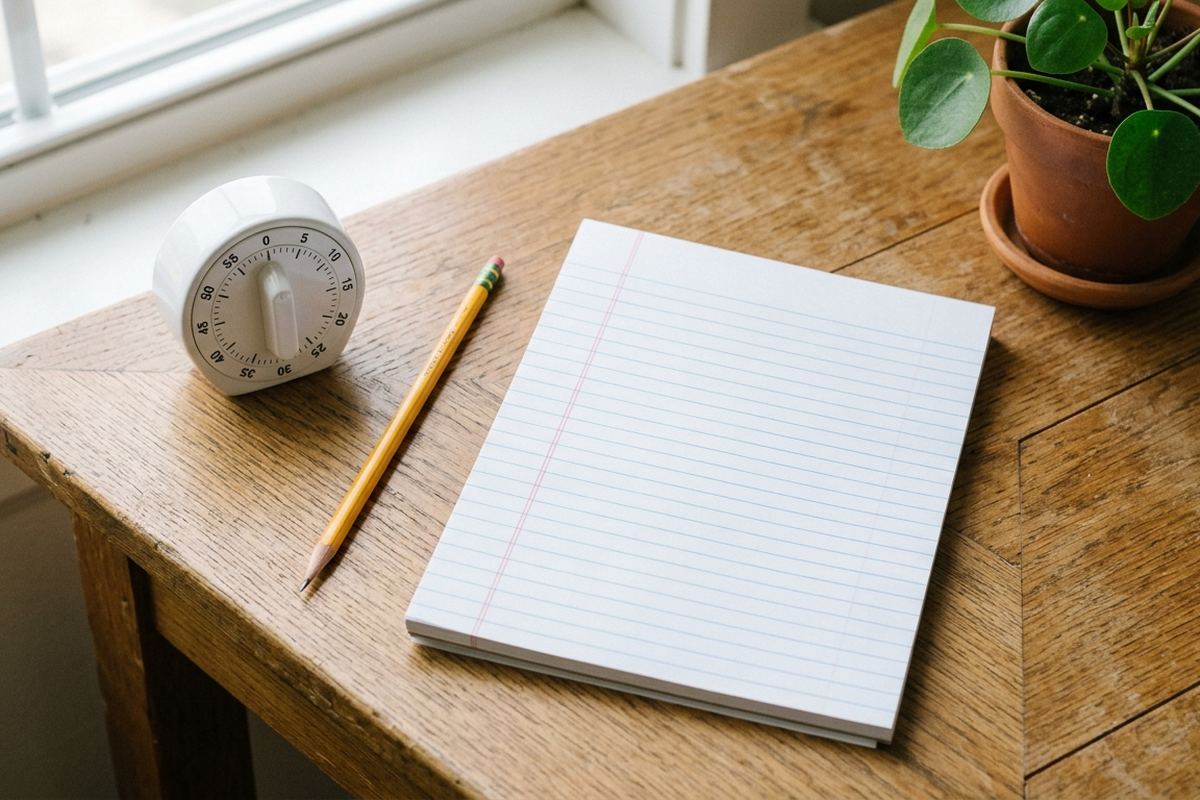
Set a timer when homework starts, especially if time seems to melt. For younger kids, try 10 to 15 focused minutes, then a tiny break: water, stretch, pet the dog, come back. Not a 25-minute video break. That is not a break; that is a trap with theme music.
If practice is the goal, short and steady wins. Five minutes of math facts with dice, cards, or a quick round of math games can do more than a long, tearful worksheet. And you can write a simple note on the page: “We worked for 25 minutes. This is as far as we got.” That is not failure. That is data.
When to email the teacher instead of pushing through
There is a point where “just finish it” stops helping. Teachers would rather know early than hear in November that homework has been a nightly disaster since September.
One rough night after a fire drill, a birthday cupcake, and a lost library book? Let that one breathe. But a week or two of tears, confusion, or homework that takes far longer than intended is worth a short message.
Keep it specific: “Hi Ms. Carter, we’re spending about 45 minutes a night on math, and Maya gets very upset after the first few problems. I’m having her try what she can, then we stop. Is this taking longer than you expect? Is there a strategy from class we should be using at home?”
That kind of note gets you something useful back. The teacher may shorten the amount, send an example home, or tell you your child is struggling in class too. If the worry touches reading, attention, or big behavior changes, mention it to the teacher or pediatrician without jumping to labels.
And if the teacher says “please stop after 20 minutes,” believe them. Write the note. Close the folder. Feed the child dinner. Some nights, protecting tomorrow’s willingness to try matters more than finishing number 14.


