

The morning starts with one missing shoe, a wet toothbrush abandoned on the sink, and somebody announcing they need a purple folder you have never heard of. You glance at the clock, and suddenly every sentence comes out louder than you meant it to. School mornings can turn very reasonable people into gym coaches with coffee breath.
The night before does the heavy lifting
A calm school morning is usually built the night before. Not in a cute, color-coded way. In a very practical "where are the library books?" way. Morning is a conveyor belt, not a fresh start: if the pants are in the dryer and the field trip form is still under a fridge magnet, the belt jams before breakfast.
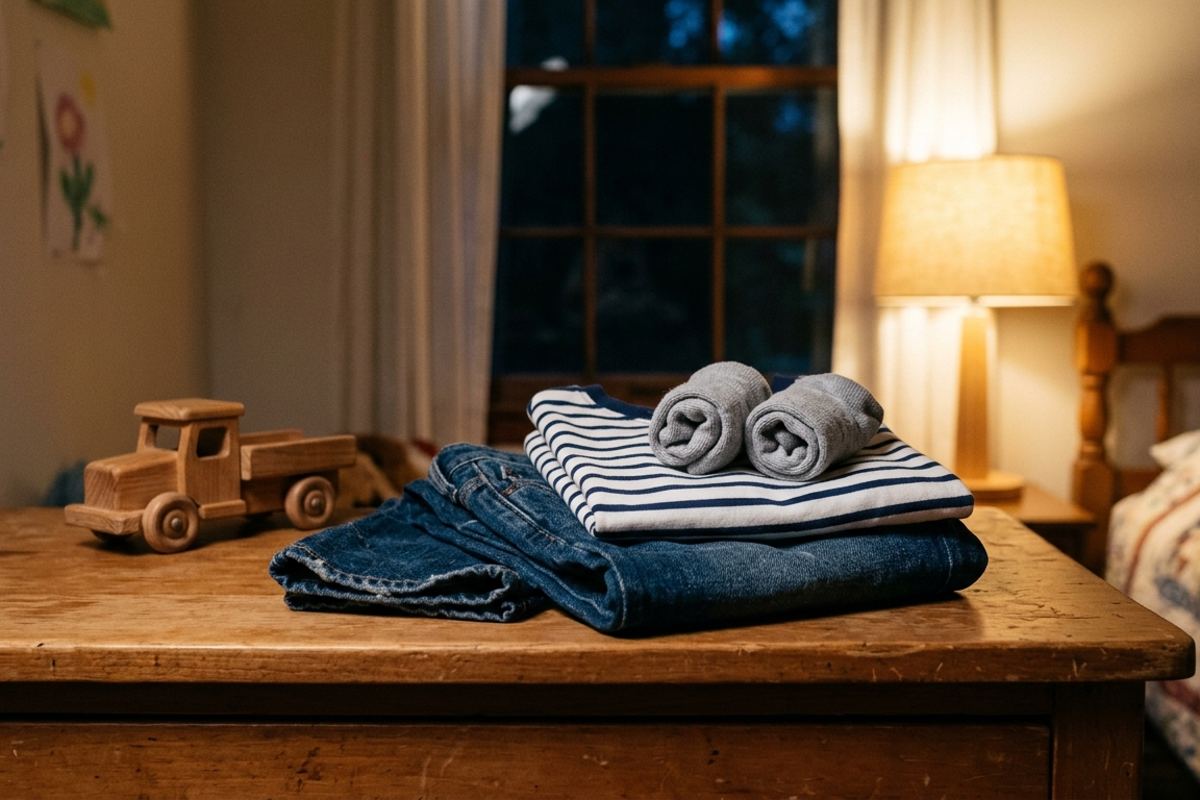
Pick three things that must happen before bed: clothes chosen (socks included, if you have a sock-feelings kid), backpack packed and sitting by the door, lunch made or at least staged. And make "backpack by the door" the final bedtime job. Not "did you pack it?", because kids will answer yes with total confidence while their homework sits on the kitchen table. Have them physically touch the backpack and put it in its launch spot.
Kids can own part of this. A kindergartner can put a folder in a backpack; a 2nd grader can pick between two shirts; older kids can pack their own lunch from a short list taped inside the pantry. If lunch itself is the nightly standoff, the lunchbox negotiation deserves its own strategy. Either way, morning-you will feel like night-you left a gift.
Wake them earlier than feels necessary
Some kids wake up like toast popping. Others rise slowly from the depths, suspicious of daylight and all human requests. If yours is a slow starter, talking more doesn't help. "We need to go, we need to GO, why are you sitting on the floor?" just becomes morning weather. They hear it. They don't move faster.
A 10-minute buffer changes the tone of the whole house. Not 45 minutes; nobody's asking you to become a sunrise influencer. Ten minutes gives your child time to be a person before being a student. They can stare at their cereal, put on one sock, forget what they were doing, and recover without the household tipping into panic.
You may need to nudge bedtime earlier to buy those minutes, especially for the younger crowd. Most elementary kids need more sleep than they're getting, and tired kids famously move like they're walking through pudding. If you're not sure what enough looks like, here's how much sleep school-age kids actually need. Try the earlier wake-up for one week and change nothing else. No extra chores in the gap, no spelling quiz. Just elbow room.
One job per kid, posted where they can see it
Kids follow lists better than voices. Teachers don't repeat directions 37 times because we love the sound of our own voice; we post the steps, then point. Home can borrow that trick.
For little kids, a picture checklist works: draw a shirt, a toothbrush, a backpack, a shoe. Stick figures count. For readers, keep it short:
- Get dressed
- Eat breakfast
- Brush teeth
- Shoes on
- Backpack to door
That's enough. A morning checklist should not read like a hotel closing procedure. The point is one job at a time. "Go get ready" sounds simple to an adult; to a 6-year-old it's twelve foggy tasks plus the sudden discovery of a stuffed raccoon under the bed. When they wander off, it's not always defiance. Sometimes the job was too vague.
Post the list where the morning actually happens (bathroom mirror, bedroom door, fridge) and change your script from repeating directions to asking "what's next on your list?" That one swap retires you from being the human alarm system. Give siblings their own card each; a 4th grader doesn't need the toothbrush picture, and the kindergartner doesn't need to feel slow next to a big kid who ties shoes while discussing Pokemon strategy.
Kill the morning screens
Morning screens look like a helper because the child is quiet. Then you notice they've been holding one sock for eight minutes while a cartoon character solves a problem with a talking backpack. Shows are built to hold attention. Games are built to keep going. Your child's brain does not care that the bus comes at 7:45 when a glowing dragon egg is about to hatch.
If mornings are rough, try a clean rule: no screens before school. Not as punishment, as a system. "Screens happen after school" is easier for a kid to hold than "seven minutes if you're moving fast, but not that show, and only if I'm not already stressed." Complicated rules invite courtroom-level appeals from children wearing half a shoe. It also makes the after-school version sweeter: twenty minutes of learning games at 3:30 causes zero missed buses.
If you want a fun thing in the morning anyway, make it music. Some families run the routine on a three-song playlist: dressed by the end of song one, fed by song two, shoes and backpack by the last chorus. It sounds silly until it works.
The 7:40 rule: stop optimizing, start walking
At some point the morning has to switch from "finish the routine" to "leave the house." Pick that moment before you're late. If the door needs to close at 7:45, make 7:40 the pivot.
At 7:40, stop improving things. Don't hunt for the cuter jacket. Don't repack the lunch because the crackers might get crushed. Don't open a conversation about responsibility with a child holding a waffle and wearing one shoe. Shoes can go on in the car. Hair can be "school acceptable" instead of "picture day." The bent folder that will bother you all day will bother your child not at all.
Yelling your way to a perfect exit has a cost: kids carry the morning's mood into the classroom, and teachers can usually tell who had a rough launch before the backpack is unzipped. A calm-ish arrival in mismatched socks beats a polished arrival with everyone's nerves buzzing.
Give the pivot a boring phrase and say it the same way every day. "It's walking time." Not "hurry up," not "why are we always late." Then walk: hand over the shoes, grab the backpack from its door spot, bless night-you again, and get bodies moving. If the whole rhythm has drifted (hello, first week of September), a back-to-school routine reset is easier than fixing one chaotic morning at a time. Calm counts. Perfect can stay home and unload the dishwasher.


